
Tackling the Grass Challenge: Mowing an Acre Without the Sheep
*edit* since posting, we needed the field cut – £25 to a local with a topper! That service a few times per year is considerably cheaper than any own equipment and time! The opening question of how to manage the field still remains, one idea is to do a scrape and add a reed bed which will control the run off and regular bogging to the lowest point of the land, and create a great feature.
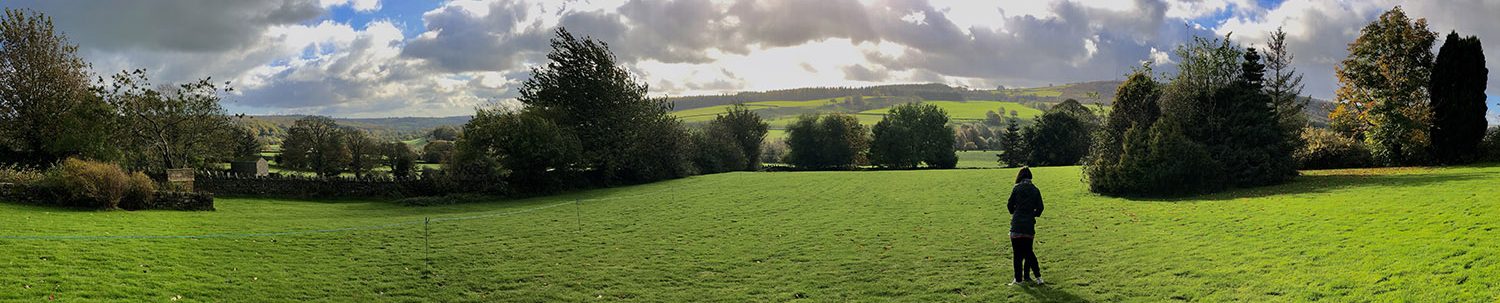
One of the unexpected decisions in our barn conversion adventure has been how to manage the field. It’s an acre of former grazing land, and if it’s left any longer it’ll be waist-high with grass, and while the field must remain agricultural, we also want to enjoy it—walk it, plant a few trees, room for the dogs to run. We need to get it under control.
From Sheep to Machines
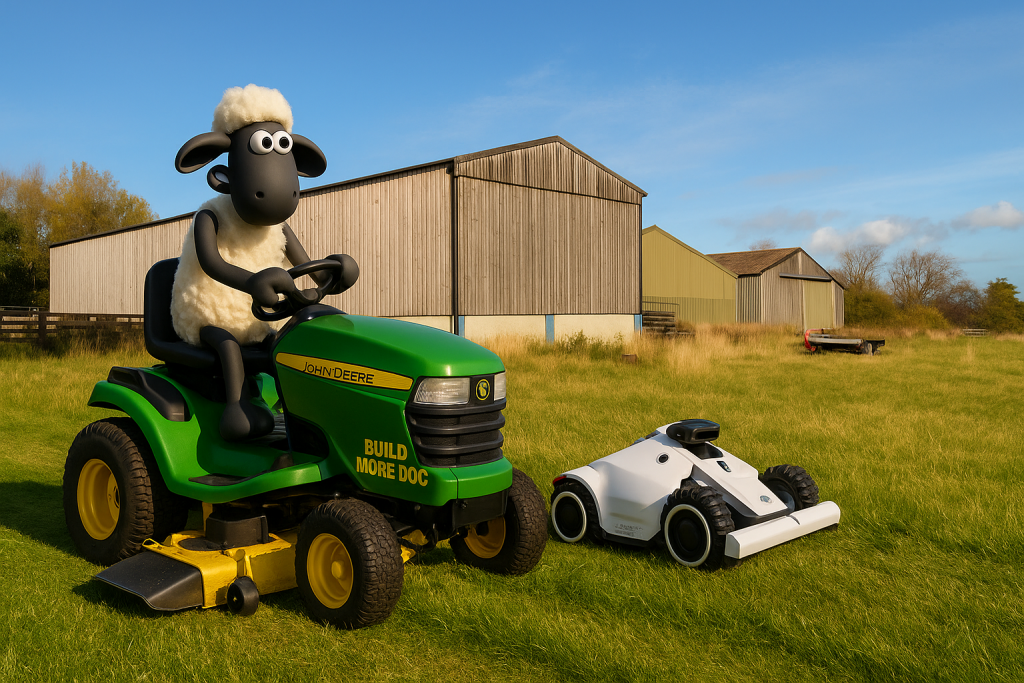
Historically, this patch of land was grazed by sheep, and they did a fine job of keeping the grass down. But livestock isn’t on the cards for us. So, we need a mechanical solution—a way to cut the field back and then keep it at a manageable height, ideally around one inch.
There’s no shortage of options:
• Brush cutter: Heavy-duty but labor-intensive.
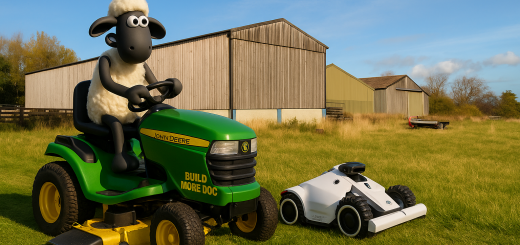
• Ride-on mower: Reliable, simple, proven—but bulky, noisy, and not exactly a joy to use regularly.
• Robotic mower: Slick, modern, hands-off, but expensive and unproven on this scale.
The Lure of Robotic Mowing
I’m drawn to the idea of a robotic mower. Specifically, the Mammotion Luba 2 AWD 5000 X keeps appearing in my searches. It’s a four-wheel-drive, all-terrain robot mower that can handle an acre and cuts with the precision of RTK GNSS, a tech that alone costs upwards of £1,000 in other contexts.
It sounds perfect: no need to spend weekends mowing, no petrol cans, no backache. The machine just gets on with it.
But as with anything new, I’m cautious.
The Concerns: Cost and Durability
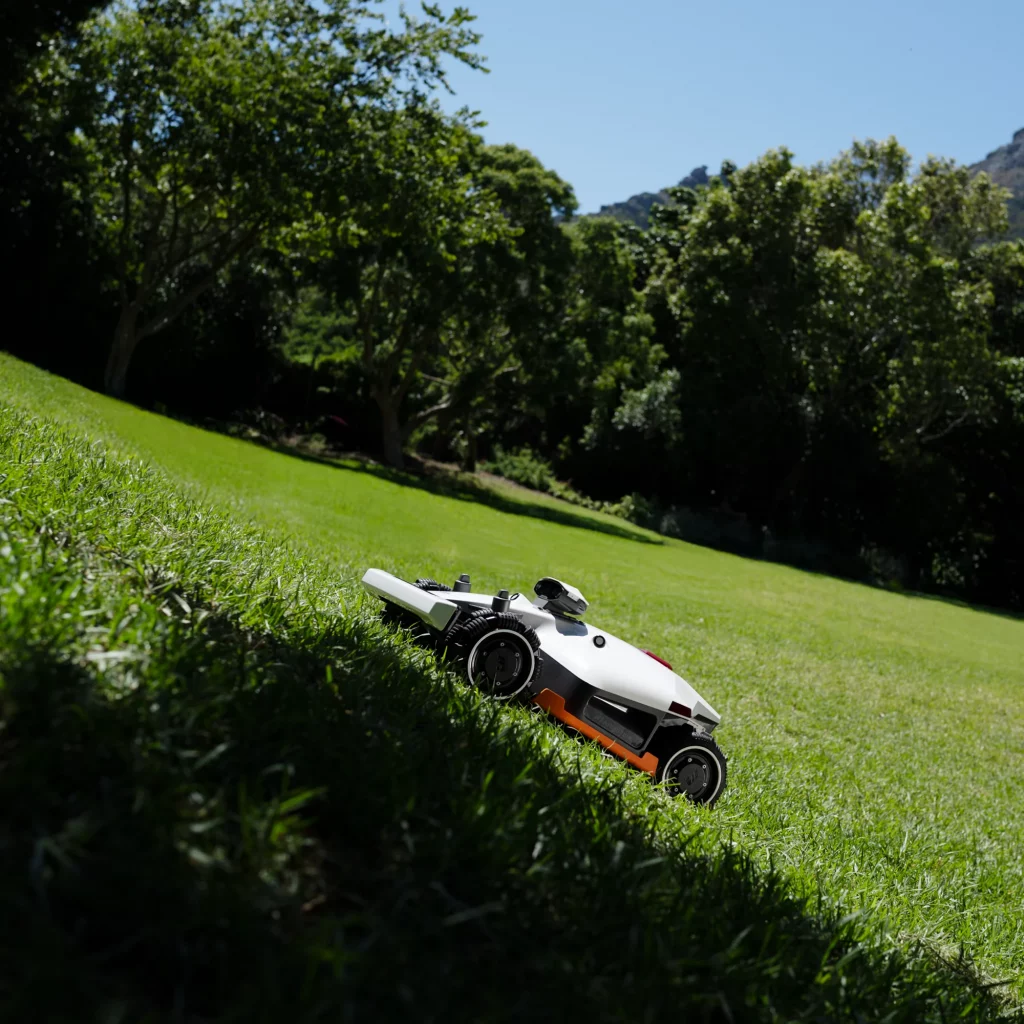
The LUBA 2 AWD isn’t cheap at £2700. And while the technology is impressive, I can’t shake the feeling that if something goes wrong in the first few years, repairs could be eye-watering—or worse, not viable at all. Unlike a traditional ride-on mower, which can be serviced, fixed, and bought used with a predictiable total cost of ownership, a robotic mower is newer territory. It’s not something I’d feel confident buying second-hand either. They do come with a three warranty, I’d like to see that insurance backed to 10 years.
A good ride-on, even a basic used one, could easily last 20 years with the occasional self oil change and belt replacement. A robotic mower? The technology is too young to know.
We’re Leaning
I suspect we’ll start with an initial cut using something heavy-duty—a loaned brush cutter or tractor with driver for a one off—and then reassess for maintenance.
If anyone has real-world experience with robotic mowers over larger plots, I’d love to hear from you. This is one of those decisions where hearing from others could save a lot of time—and money.




Recent Comments